Best Fitness Trackers for Every Budget
In today’s health-conscious world, fitness trackers have become essential tools for maintaining an active lifestyle. From casual walkers to dedicated athletes, these wearable devices provide insights into activity levels, sleep patterns, heart rate, and more. For consumers in the United States, the market offers a wide range of options, spanning premium smartwatches to budget-friendly bands. With so many choices, finding the best fitness tracker that fits your lifestyle and budget can be overwhelming.
Fitness trackers are more than just step counters. They provide personalized feedback, monitor progress, and motivate users to reach health goals. Whether you want to lose weight, improve cardiovascular health, or enhance overall wellness, the right tracker can guide your journey. This guide explores the best fitness trackers for every budget, highlighting features, performance, and value to help you make an informed decision.
Understanding Your Fitness Goals
Before purchasing a fitness tracker, it’s essential to define your health and activity objectives. Are you focused on weight loss, improving cardiovascular health, tracking sleep, or training for athletic events? Your goals will dictate which features are most important.
For instance, heart rate monitoring and GPS functionality are crucial for runners and cyclists, while step counting and sleep tracking may be sufficient for casual fitness enthusiasts. Understanding your needs allows you to prioritize features and select a device that provides the most value without unnecessary bells and whistles. read about smart watches.
Key Features to Consider
When evaluating fitness trackers, several key features should be considered. Accurate step counting, heart rate monitoring, sleep tracking, and calorie estimation are standard across most devices. Advanced features like GPS, blood oxygen measurement, stress tracking, and integration with fitness apps provide deeper insights for more serious users.
Battery life and device comfort are also important considerations. Wearables with long battery life reduce the hassle of frequent charging, while lightweight, ergonomic designs ensure comfortable all-day wear. Water resistance, notification support, and compatibility with smartphones further enhance the convenience and usability of a fitness tracker.
Premium Fitness Trackers
Premium fitness trackers combine advanced features, sleek design, and reliable performance. Devices in this category are ideal for dedicated athletes, tech enthusiasts, or those who want a comprehensive health monitoring system.
These devices often include multi-sport tracking, GPS, continuous heart rate monitoring, blood oxygen levels, sleep stages, and integration with popular fitness apps. Premium trackers typically offer bright, high-resolution displays, touch interfaces, and customizable watch faces. Battery life may range from a day to several days, depending on usage and feature intensity.
Best Fitness Trackers for Every Budget For consumers willing to invest in top-tier functionality, premium trackers provide accurate, detailed metrics and a seamless user experience. Brands offering premium options focus on reliability, advanced sensors, and strong software ecosystems, ensuring that users have access to actionable insights and guidance for achieving fitness goals.
Mid-Range Fitness Trackers
Mid-range fitness trackers offer a balance between features and affordability. These devices provide essential tracking for heart rate, steps, sleep, and calories while including some advanced capabilities like GPS or guided workouts.
Best Fitness Trackers for All Budget Mid-range trackers are ideal for users who want more than basic tracking without paying for flagship devices. They often feature touchscreens, customizable interfaces, and moderate water resistance. Battery life in this range tends to last several days, making them suitable for everyday wear and activity tracking.
These devices are particularly appealing for users who enjoy running, cycling, or gym workouts and want reliable data without investing in premium models. Mid-range trackers provide the versatility to support multiple activities while maintaining ease of use and value for money.
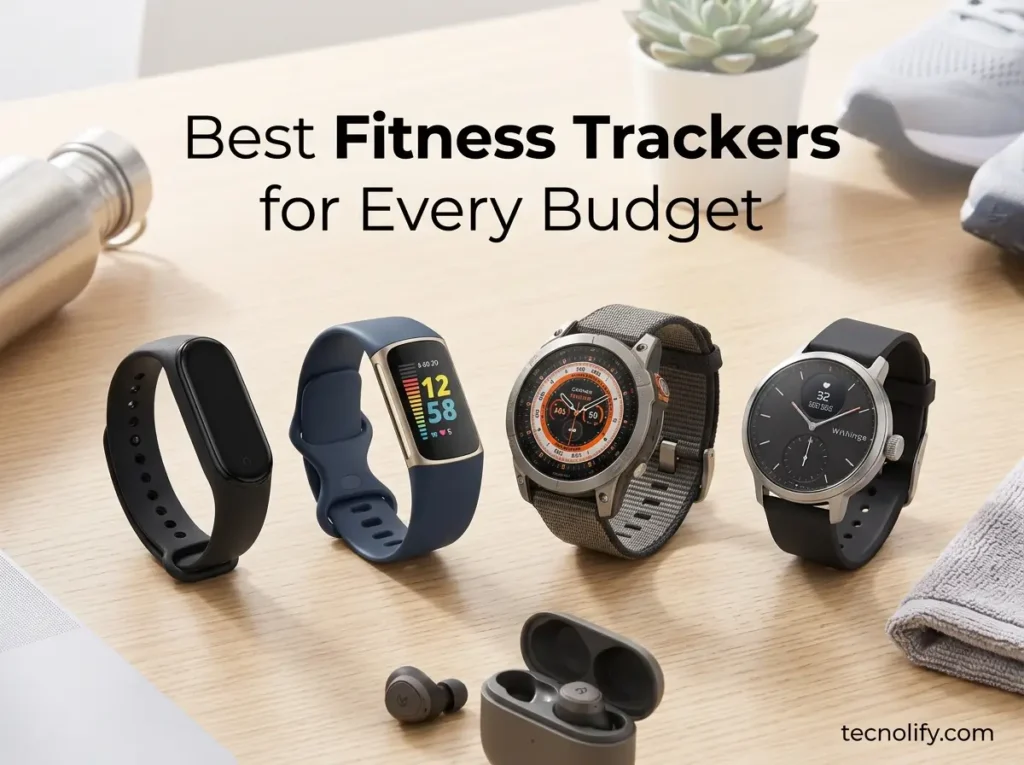
Budget-Friendly Fitness Trackers
Best Fitness Trackers for Every Budget-friendly fitness trackers are perfect for casual users, beginners, or anyone seeking basic monitoring without significant investment. These devices typically track steps, distance, calories burned, and sleep patterns, covering essential health metrics.
Affordable trackers are lightweight, simple to use, and often offer long battery life due to their limited functionality. While they may lack GPS, advanced sensors, or high-resolution displays, budget devices still motivate users to maintain daily activity and track progress over time.
For those exploring fitness tracking for the first time, these devices offer a low-risk entry point to wearable technology. They encourage healthy habits and provide enough feedback to stay engaged and motivated.
Wearable Design and Comfort
The physical design of a fitness tracker affects usability and willingness to wear it consistently. Lightweight, adjustable bands, hypoallergenic materials, and ergonomic shapes enhance comfort, allowing users to wear devices throughout the day and during sleep.
Premium and mid-range trackers often feature stylish designs suitable for casual, professional, and athletic settings. Some devices offer interchangeable bands and customizable watch faces, allowing users to match personal style preferences. Budget trackers focus on functionality and simplicity, prioritizing comfort and practicality over aesthetics.
Tracking Accuracy
Accuracy is critical in a fitness tracker, as inaccurate data can undermine motivation and decision-making. Heart rate sensors, step counters, GPS tracking, and sleep monitors vary in precision based on device quality and sensor technology.
Premium trackers often employ multi-sensor arrays, optical heart rate sensors, and GPS chips for precise measurement. Mid-range devices balance affordability with reasonable accuracy, while budget trackers provide estimates suitable for general guidance. Understanding the limitations of each category helps users set realistic expectations and interpret data effectively.
Battery Life and Charging
Battery life is a key consideration for consistent use. Premium trackers with large displays and multiple sensors may require daily charging, while simpler mid-range and budget devices can last several days to weeks on a single charge.
Charging convenience is also important. Devices with magnetic chargers, USB compatibility, or wireless charging options reduce friction in daily use. Long battery life ensures continuous monitoring, particularly for sleep tracking and long workouts, enhancing the overall utility of the tracker.
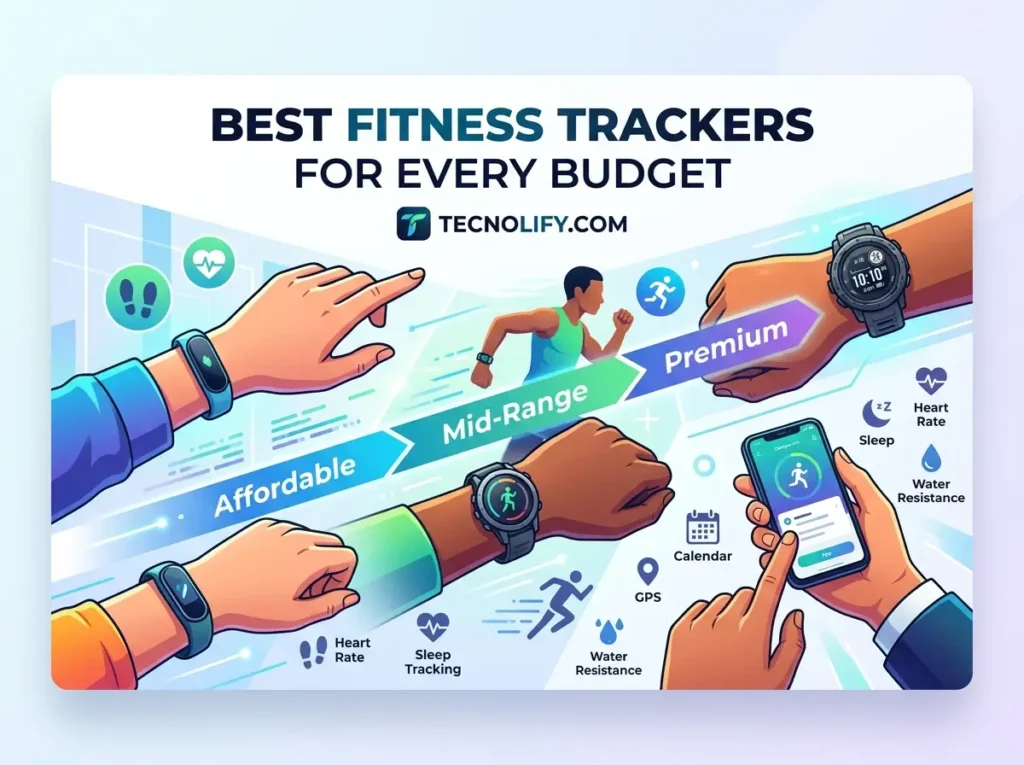
Connectivity and App Integration
A fitness tracker’s ability to connect with smartphones, apps, and cloud services enhances functionality. Premium devices often integrate seamlessly with native ecosystems and third-party apps, allowing for detailed analysis, goal tracking, and social sharing.
Mid-range and budget trackers typically offer companion apps with activity summaries, progress charts, and basic notifications. App integration allows users to set reminders, track trends over time, and connect wearable data to broader health platforms. For U.S. consumers, robust connectivity and app support ensure a cohesive experience that maximizes the value of their device.
Smart Features and Notifications
Best Fitness Trackers for Every Budget Many modern fitness trackers include smart features beyond activity tracking. Notifications for calls, messages, emails, and calendar events keep users connected without constantly checking their phone.
Premium trackers often include voice assistants, contactless payments, music controls, and advanced health alerts such as irregular heart rate notifications or stress monitoring. Mid-range devices may support essential notifications and activity reminders, while budget trackers focus on core tracking functions. These smart features add convenience and enhance the overall user experience.
Swimming and Water Resistance
For swimmers and those engaging in water-based activities, water resistance is a vital consideration. Many fitness trackers offer resistance to splashes, rain, or swimming up to a certain depth. Premium devices often support detailed swimming metrics, including lap counting, stroke recognition, and pace tracking.
Mid-range trackers provide basic water resistance, suitable for casual swimming or shower use. Budget devices may offer minimal water resistance, protecting against everyday moisture but not suitable for prolonged submersion. Understanding water resistance levels ensures that users choose devices appropriate for their activity preferences.
Motivational Features and Challenges
Fitness trackers are most effective when they inspire users to stay active. Many devices include goal-setting features, daily step targets, workout reminders, and social challenges. These elements create engagement and encourage consistency.
Premium trackers often offer advanced insights, personalized coaching, and adaptive goals based on activity trends. Mid-range devices provide structured challenges and feedback, while budget trackers include simple notifications or visual indicators to promote activity. Motivational features enhance adherence and help users achieve long-term fitness goals.
Comparing Trackers Across Categories
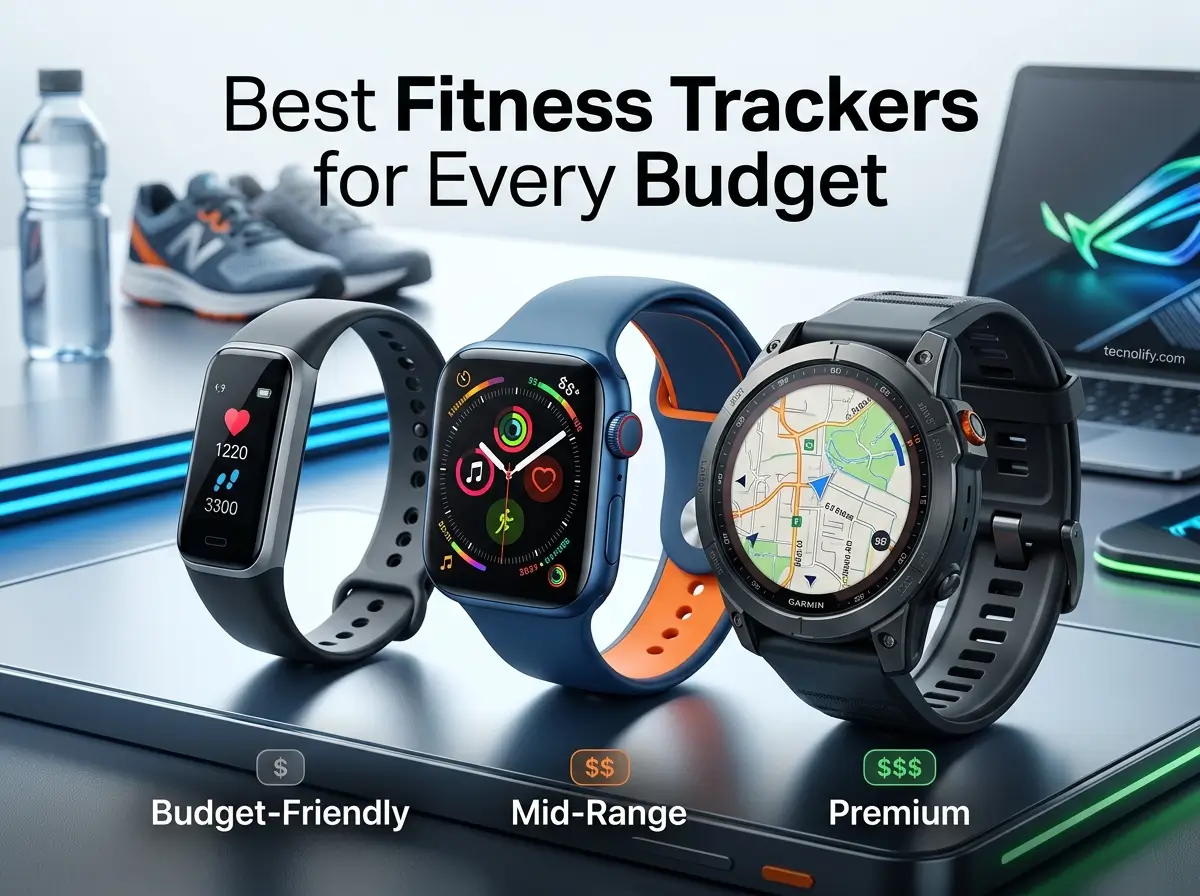
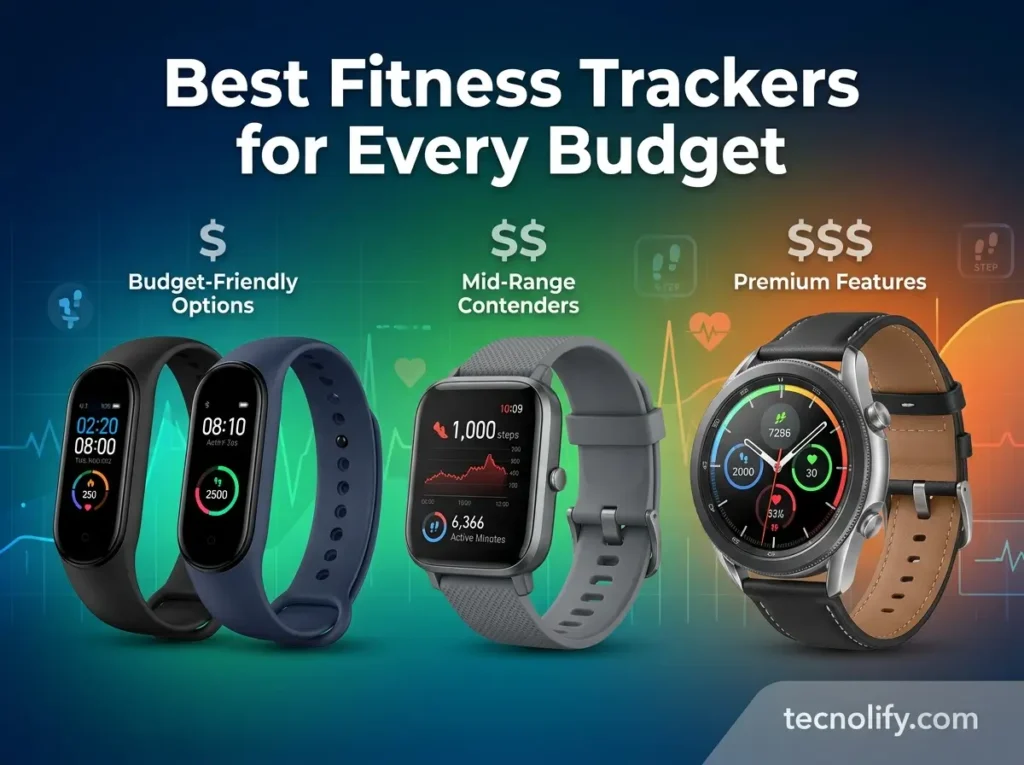
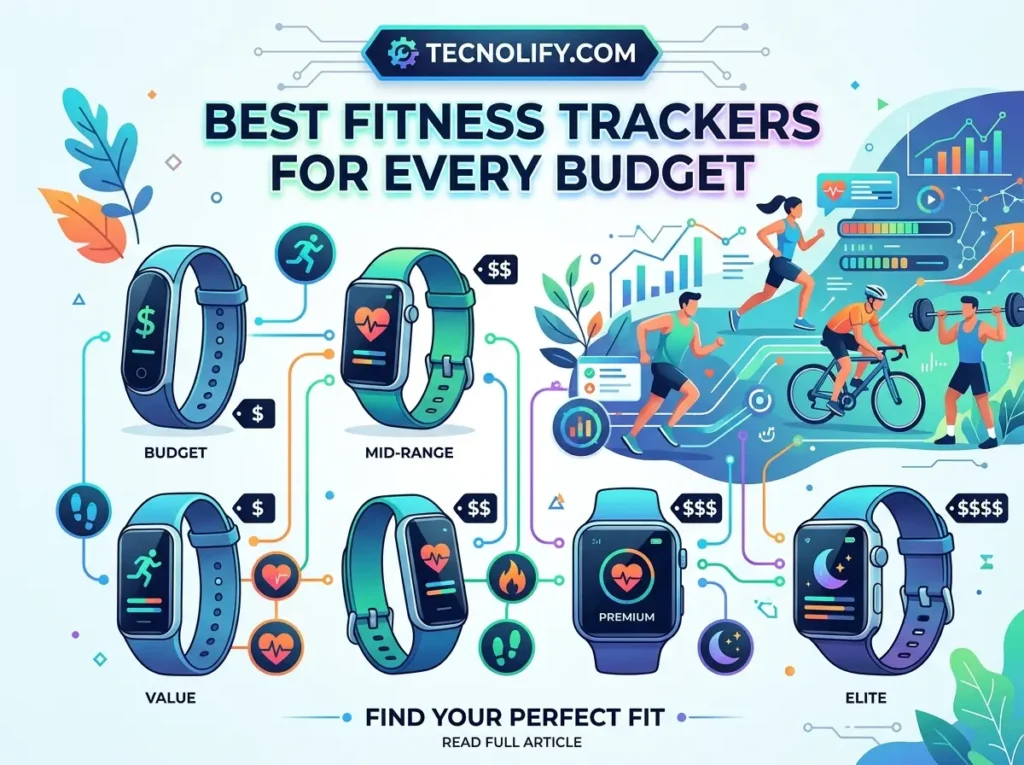
When selecting a fitness tracker, consider the trade-offs between premium, mid-range, and budget devices. Premium trackers excel in accuracy, design, and feature depth, ideal for dedicated athletes or tech enthusiasts. Mid-range devices balance performance, affordability, and versatility, appealing to everyday users. Budget-friendly trackers provide essential monitoring for casual fitness enthusiasts or those exploring wearable technology for the first time.
The right tracker depends on lifestyle, fitness goals, and budget. Users seeking advanced metrics and seamless integration may prioritize premium devices, while those seeking basic activity monitoring without high costs may find mid-range or budget trackers more suitable. Honest reviews help consumers evaluate real-world performance, avoiding overhyped marketing claims.
Longevity and Support
Device longevity is critical when investing in wearable technology. Premium and mid-range trackers benefit from regular software updates, improved app support, and manufacturer warranties, ensuring reliable use over multiple years. Budget devices may have shorter software support and fewer updates but still offer functional use for their intended lifespan.
Consumers should consider build quality, water resistance, and battery degradation when assessing longevity. A well-maintained tracker, even at a lower price point, can provide value over time. Support infrastructure, repair options, and customer service also influence overall satisfaction and device reliability.
Practical Tips for Maximizing Value
Regardless of budget, users can maximize the value of their fitness tracker by leveraging available features effectively. Consistent wear, regular syncing with companion apps, and reviewing activity trends enhance insights. Setting realistic goals, tracking progress, and integrating wearable data into daily routines promote sustained health benefits.
Understanding device limitations and avoiding reliance on marketing hype ensures informed use. Combining wearable technology with healthy lifestyle practices, including exercise, sleep hygiene, and nutrition, amplifies the impact of fitness tracking.
Conclusion
Best Fitness Trackers for Every Budget! fitness trackers are powerful tools for achieving health and wellness goals. From premium devices with advanced sensors and features to mid-range trackers offering a balanced experience and budget-friendly options providing essential monitoring, there is a device for every lifestyle and financial plan.
Choosing the best fitness tracker requires evaluating performance, battery life, display quality, app integration, water resistance, and motivational features in the context of personal goals. Premium devices excel in advanced metrics and comprehensive tracking, mid-range options provide versatility and affordability, and budget devices offer a low-risk entry point for beginners.
For consumers in the United States, fitness trackers provide insights, motivation, and accountability, helping to maintain an active lifestyle and reach health objectives. By considering needs, priorities, and budget, users can select a device that delivers meaningful value and supports their long-term wellness journey.
Ultimately, the best fitness tracker is the one that fits your lifestyle, encourages consistent activity, and provides actionable insights without unnecessary complexity or cost. With thoughtful selection and regular use, wearable technology empowers users to stay active, monitor progress, and achieve health goals efficiently.