
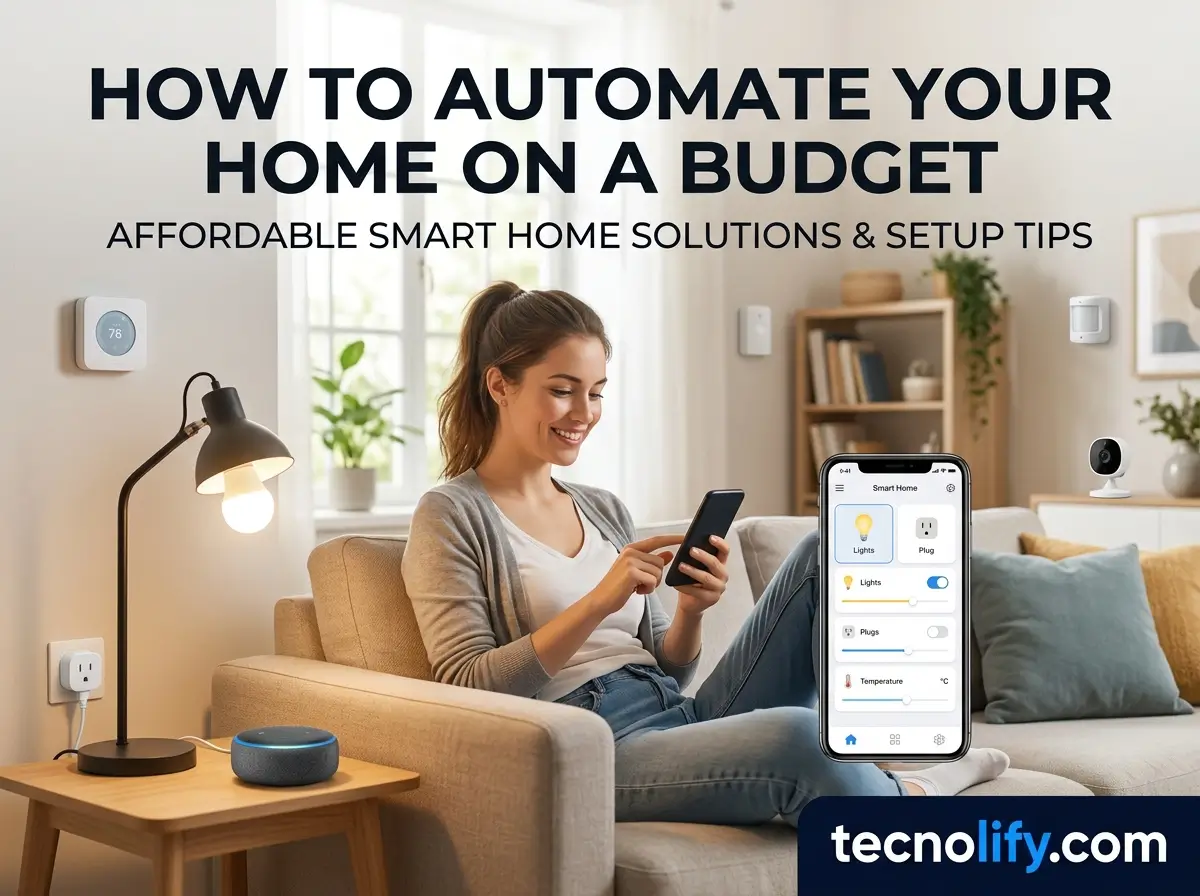
How to Automate Your Home on a Budget
How to Automate Your Home on a Budget? Smart home technology has become increasingly popular in recent years, offering homeowners convenience, energy efficiency, and enhanced security. However, many people assume that automating a home requires expensive gadgets or a professional installation. The truth is, with careful planning and strategic choices, you can create a smart home that is functional, efficient, and affordable.
For homeowners in the United States, budget-friendly automation options are more accessible than ever, allowing you to enjoy the benefits of smart living without overspending. Home automation is not just about high-tech luxury. It’s about improving quality of life by saving time, reducing energy consumption, and simplifying daily tasks.
By integrating devices like smart lights, thermostats, security cameras, and voice assistants, you can create a cohesive system that works seamlessly to meet your needs. This guide will explore practical tips and strategies for automating your home on a budget, ensuring that you get the most value for every dollar spent.
Understanding Your home Automation Goals
Before investing in any devices, it’s crucial to define your goals. Are you primarily interested in energy savings, security, convenience, or a combination of these factors? Understanding your priorities will guide your choices and prevent unnecessary spending.
For example, if energy efficiency is a top priority, smart thermostats and lighting systems should take precedence. If security is the main concern, budget-friendly cameras and smart locks become more important. By focusing on your objectives, you can allocate your budget wisely and create a smart home that meets your unique needs. read 10 smart ideas for home.

Start With a Smart Hub
A smart hub serves as the central control point for your devices, allowing them to communicate with each other and be managed from a single app or voice assistant. Popular options include Amazon Echo, Google Nest Hub, and Samsung SmartThings. While some hubs can be expensive, there are budget-friendly alternatives that offer compatibility with multiple devices and automation routines.
Choosing a versatile hub ensures that future devices can be integrated without additional investments. Look for hubs that support major smart home protocols like Wi-Fi, Zigbee, or Z-Wave, as this expands your options for compatible devices. A reliable hub is the foundation of an effective and cohesive home automation system.
Automate Lighting Efficiently
Lighting is one of the easiest and most impactful areas to automate on a budget. Smart bulbs, plugs, and motion sensors allow you to control lights remotely, set schedules, and create energy-saving routines. You don’t need to replace all your bulbs at once; start with key areas like living rooms, bedrooms, and entryways.
Motion sensors can automate lights in hallways or bathrooms, reducing electricity usage when rooms are unoccupied. Scheduling lights to turn on and off at specific times can also enhance security by creating the appearance of an active home, even when you’re away. With careful planning, smart lighting can be both convenient and cost-effective.
Optimize Climate Control
Heating and cooling account for a significant portion of household energy expenses. Budget-friendly smart thermostats allow you to automate temperature settings based on time of day, occupancy, or weather conditions. By programming your thermostat to lower heating or cooling when you’re away and return to comfortable levels before you arrive, you can reduce energy consumption without sacrificing comfort.
Even basic smart plugs connected to portable heaters, fans, or air conditioners can create automated climate control for specific areas of the home. These small investments can result in meaningful energy savings over time while maintaining a comfortable living environment.
Enhance Home Security on a Budget
Smart security doesn’t have to be expensive. Affordable options include wireless cameras, video doorbells, motion sensors, and smart locks. Many of these devices can be installed without professional help and integrated into your existing hub or smartphone app.
Video doorbells allow you to monitor your front door remotely, while motion-activated cameras can alert you to movement around the property. Smart locks offer keyless entry and can be programmed to lock or unlock automatically at certain times. By combining multiple security features, you can create a comprehensive system without breaking the bank.
Utilize Smart Plugs and Outlets
Smart plugs and outlets are among the most versatile and cost-effective automation tools. They allow you to control traditional appliances and devices remotely, set schedules, and integrate them into automation routines. For example, you can automate coffee makers, lamps, fans, or holiday decorations to turn on or off at specific times.
Smart plugs are an excellent entry point for home automation, as they provide immediate convenience and energy savings without requiring major changes to your existing setup. They are compatible with most Wi-Fi-based smart home ecosystems and often cost just a fraction of fully integrated smart appliances.
Voice Control for Convenience
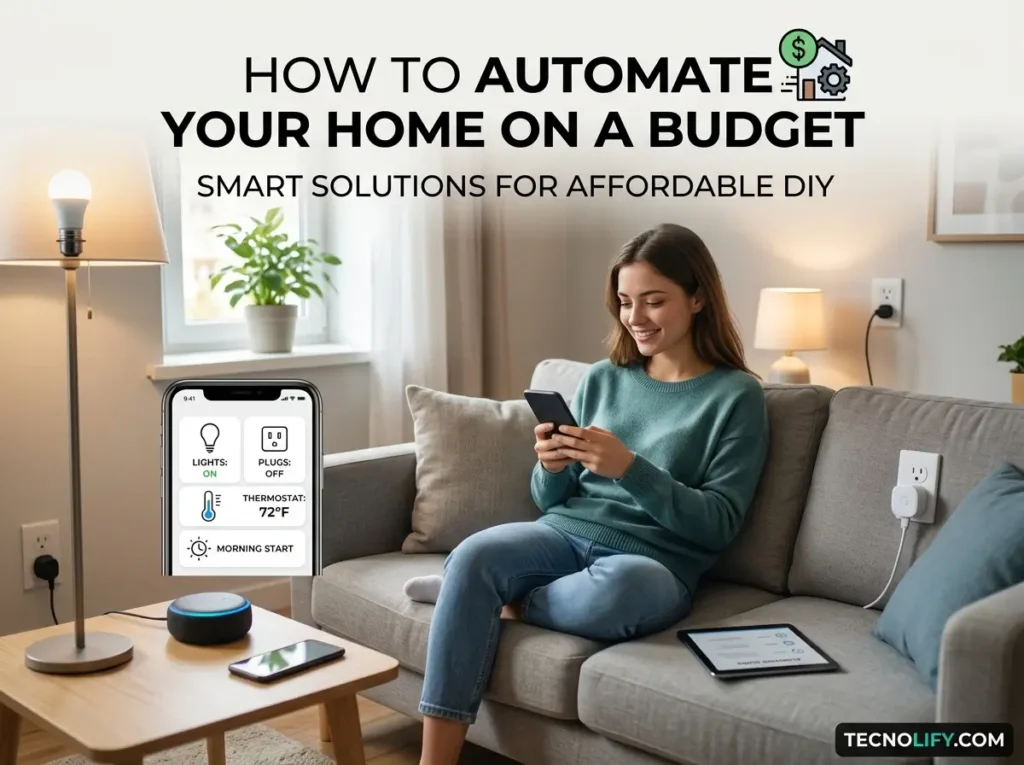
Voice assistants like Amazon Alexa, Google Assistant, or Apple Siri provide hands-free control over your smart home. They are compatible with a wide range of budget-friendly devices, from lights to thermostats to security cameras. By setting up voice commands, you can control multiple devices simultaneously, create routines, and enhance accessibility.
For instance, a single voice command can turn off all lights, adjust the thermostat, and lock doors when leaving the house. Voice automation increases convenience and encourages the adoption of other smart features, making your home more responsive and intuitive.
Integrate Scheduling and Routines
Automation is most effective when devices are programmed to operate according to consistent routines. Scheduling lights, thermostats, and plugs based on your daily patterns ensures that your home functions efficiently without constant manual input.
For example, you can set morning routines that gradually brighten lights, start the coffee maker, and adjust temperature settings. Evening routines can turn off unnecessary lights, lock doors, and activate security cameras. These routines create a seamless experience, allowing your home to respond to your lifestyle automatically.
Budget-Friendly Entertainment Automation
Smart home automation isn’t limited to utilities and security; it can enhance entertainment as well. Affordable smart speakers, streaming devices, and plugs allow you to control music, televisions, and gaming systems remotely or through automation routines.
For instance, setting a routine that dims lights and powers on your entertainment system when you start a movie creates a theater-like experience without expensive home theater installations. These small automations improve convenience and enjoyment without significant financial investment.
Monitor Energy Usage
Budget-conscious homeowners can also benefit from monitoring energy consumption. Many smart plugs and devices provide insights into electricity usage, allowing you to identify energy hogs and optimize usage. By understanding which devices consume the most power, you can make informed decisions about when to automate or schedule them, leading to cost savings.
Energy monitoring also encourages eco-friendly habits, such as turning off devices when not in use or adjusting thermostat settings based on occupancy. This approach combines convenience with sustainability, aligning home automation with long-term financial and environmental benefits.
Start Small and Scale Gradually
A common mistake when automating a home on a budget is trying to implement too many devices at once. Starting small allows you to understand your priorities, test compatibility, and avoid unnecessary spending. Begin with high-impact areas such as lighting, climate control, or security, and gradually add devices as your budget allows.
By scaling gradually, you can evaluate which automations provide the most value and make adjustments to your system over time. This approach ensures that your investment is targeted, effective, and sustainable.
Shop Smart for Devices
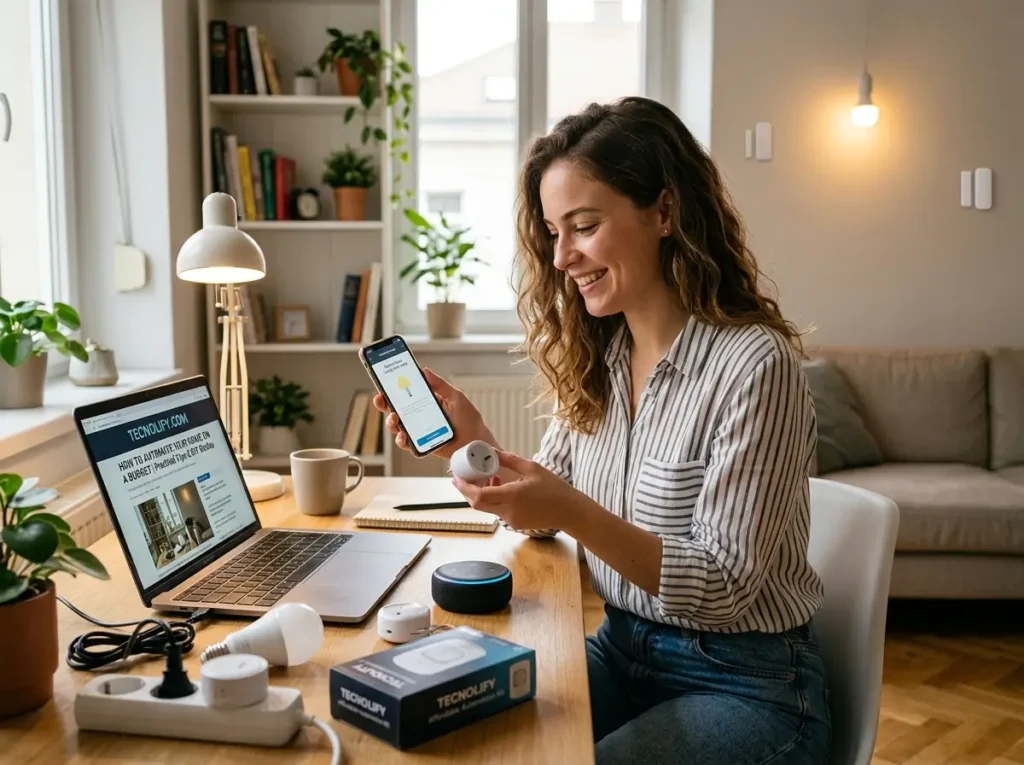
To stay within budget, it’s essential to shop strategically. Look for sales, discounts, and refurbished devices from reputable sources. Many retailers offer affordable smart home kits that bundle multiple devices at a lower cost than purchasing individually.
Comparing features and compatibility is also critical. A cheaper device may not integrate seamlessly with your existing ecosystem, leading to frustration or additional expenses. Focus on devices that provide versatility, reliability, and compatibility with your chosen hub or voice assistant.
DIY Automation Projects
How to Automate Your Home on a Budget For homeowners who enjoy hands-on solutions, do-it-yourself (DIY) automation projects can significantly reduce costs. Basic programming skills and inexpensive microcontrollers like Raspberry Pi or Arduino can automate lighting, irrigation, or other home systems.
DIY projects allow for customization that meets specific household needs without relying on expensive commercial solutions. They also provide a learning opportunity for students and homeowners interested in technology, enhancing both skills and satisfaction from creating a personalized smart home system.
Maximize Wi-Fi and Network Efficiency
A reliable Wi-Fi network is essential for home automation, as most devices rely on internet connectivity. Budget-friendly routers and Wi-Fi extenders can improve coverage and performance without requiring professional installation. Ensuring that your network is strong and secure prevents connectivity issues and supports seamless operation of all smart devices.
How to Automate Your Home on a Budget Organizing device on separate networks or using smart home hubs that reduce direct internet dependency can also improve stability. Investing in network efficiency enhances the performance of all automated systems, making your home more responsive and reliable.
Combine Automation With Safety Measures
Even budget-conscious home automation should prioritize safety. Smoke detectors, carbon monoxide sensors, and emergency lighting can be integrated into smart home systems at reasonable costs. Automation routines can trigger alerts to smartphones, ensuring that critical warnings are not missed.
How to Automate Your Home on a Budget Safety-focused automations add value beyond convenience, providing peace of mind for families and individuals. Smart technology allows you to maintain a secure home environment while managing costs effectively.
Optimize Automation for Daily Life
The true value of home automation is measured by how it improves daily life. Observing routines, identifying repetitive tasks, and applying automation where it saves time or energy ensures that your system delivers real benefits. Automations such as automatically turning off outdoor lights at sunrise, adjusting thermostats when leaving home, or scheduling appliance operation during off-peak hours enhance convenience and efficiency.
How to Automate Your Home on a Budget Continuous evaluation and adjustment help maintain effectiveness. By monitoring which automations provide the most impact and modifying routines as needed, you can ensure your smart home remains practical, affordable, and enjoyable.
Future-Proof Your Smart Home
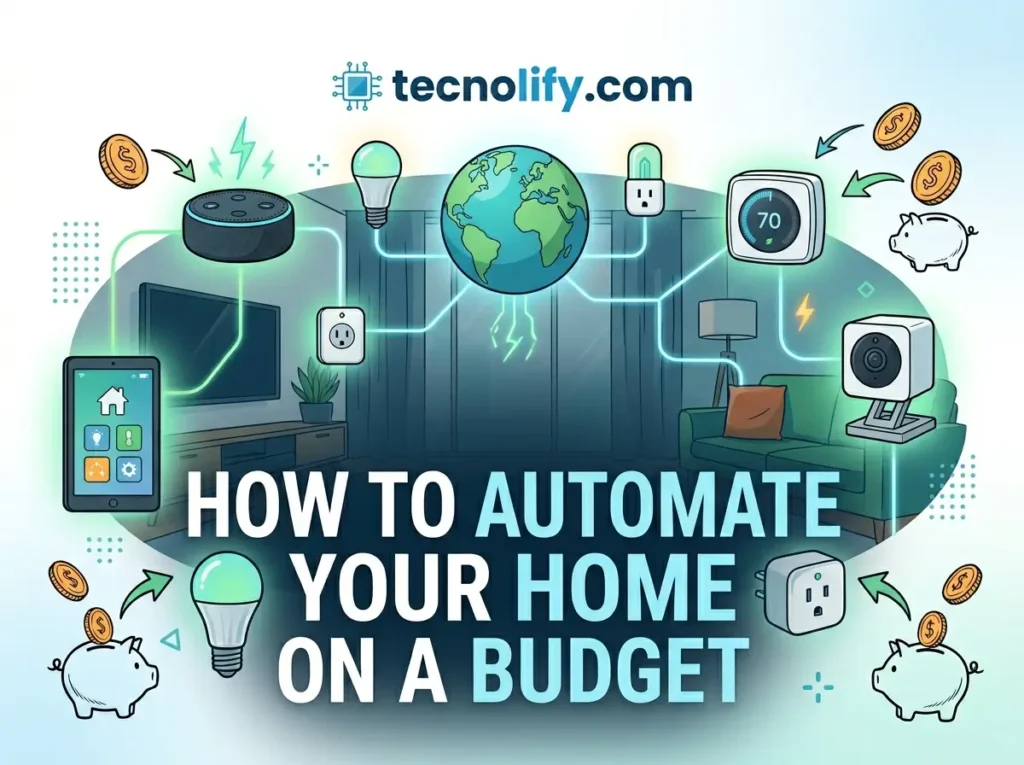
When automating on a budget, it’s important to consider future expansion. Choosing devices and hubs that support multiple protocols ensures compatibility with future upgrades. Open standards and widely adopted ecosystems like Alexa, Google Home, or SmartThings allow for seamless integration of new devices without replacing existing ones.
Future-proofing reduces long-term costs and makes it easier to expand automation capabilities gradually. This approach allows homeowners to start small, stay within budget, and scale their smart home efficiently as technology evolves.
Conclusion
Automating your home on a budget is not only possible but also highly rewarding. By strategically selecting devices, setting clear goals, and focusing on high-impact areas like lighting, climate control, and security, homeowners in the United States can enjoy the benefits of a smart home without overspending.
Starting with a reliable smart hub, integrating smart plugs, lights, thermostats, and affordable security solutions, and leveraging routines and automation can create a functional, efficient, and convenient living environment. Combining DIY projects, energy monitoring, and voice control further enhances the system while keeping costs manageable.
The key to budget-friendly home automation lies in planning, prioritization, and gradual implementation. By focusing on practical automations that enhance daily life, homeowners can achieve comfort, security, and efficiency. Automation is not merely a luxury—it is a tool for smarter living that is accessible to everyone willing to plan carefully and make thoughtful choices.
With these strategies, you can create a connected home that saves time, reduces energy costs, and elevates your lifestyle, all while staying within a budget. Smart home technology doesn’t have to be expensive—it just needs to be implemented intelligently.